Linking Geology and Health: GeoHealth Research Presented at the 2nd International Geodiversity Day Symposium in Ghana
6 October 2026 · UENR, Dormaa Campus, Bono Region, Ghana
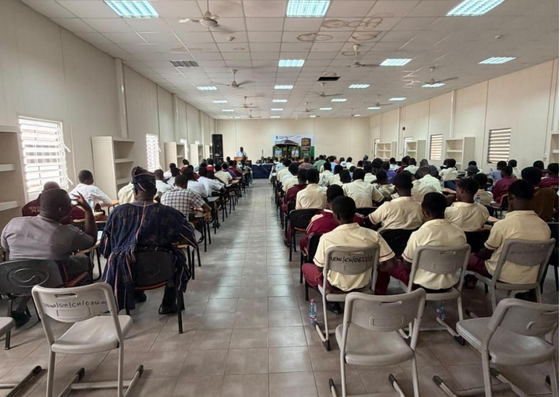
On 6 October 2026, the Dormaa Campus of the University of Energy and Natural Resources (UENR) hosted the 2nd International Geodiversity Day Symposium, bringing together researchers, students, environmental regulators, health authorities and traditional leaders under the theme “Geodiversity and Environmental Sustainability.”
During the symposium, members of the International Medical Geology Association (IMGA) GeoHealth Working Group presented preliminary findings from an ongoing investigation into heavy metal exposure and non-communicable disease (NCD) risks in the Dormaa Municipality.
Event details
Date Tuesday, 6 October 2026
Venue UENR, Dormaa Campus, Bono Region, Ghana
Theme Geodiversity and Environmental Sustainability
Organisers IMGA GeoHealth Working Group, UENR, CAGS
Key findings
Elevated lead, arsenic and chromium
Lead researcher and GeoHealth Working Group Co-Chair, Prof. Emmanuel Arhin, reported elevated environmental levels of these elements in agricultural and residential areas of the municipality.
Pb
Lead
As
Arsenic
Cr
Chromium
The team is now tracing the pathways of these elements and separating geological from anthropogenic sources. Potential contributors under investigation:
From field sampling in Ghana to analysis in Beijing
Ghana
Fieldwork, mapping and writing
Led by the Ghana GeoHealth research group with Geoenvironmental Science students at UENR, under Prof. Emmanuel Arhin.
China
Analytical testing
High-precision multi-element analyses at the National Research Center for Geoanalysis (CAGS), Beijing, by Working Group Chair Prof. Darwen Liu and his team.
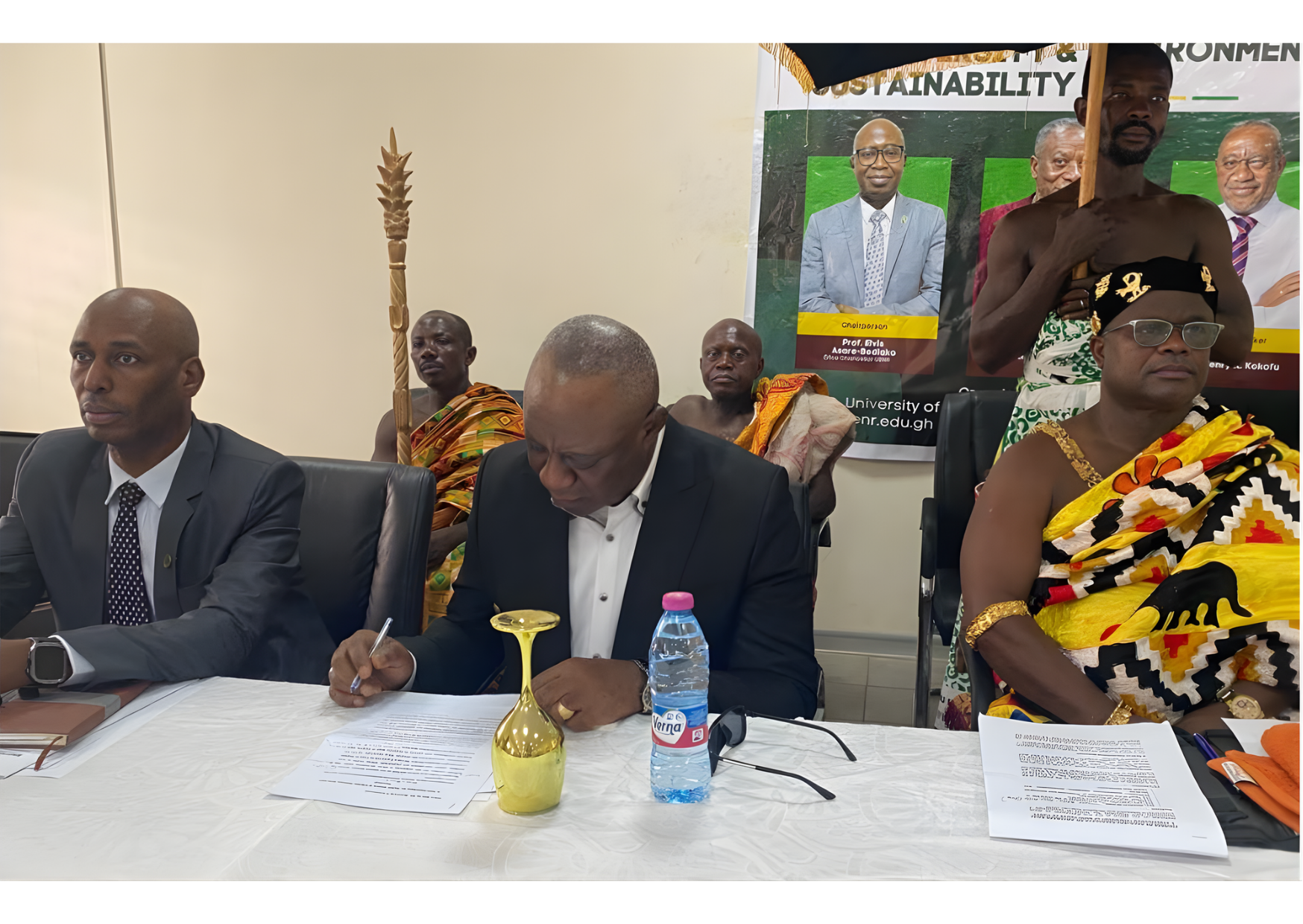
Invited guests and speakers. From left: the Bono Regional Director of Health Services; Hon. Dr. Henry K. Kokofu, Esq., former Executive Director of the Ghana EPA; and the Dormaahene’s representative, the Kofiasuahene.
Stakeholders
Bringing science, regulators and communities together
Dr. Henry K. Kokofu
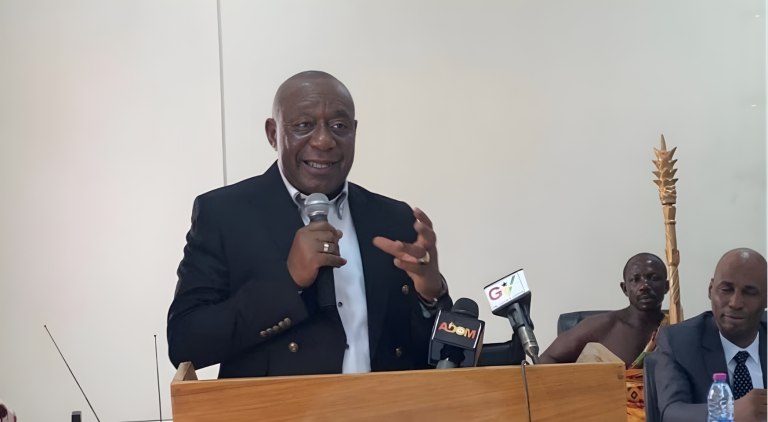
In his keynote address, the former Executive Director of the Ghana Environmental Protection Authority emphasised the regulatory and constitutional obligations of environmental protection.
Keynote speaker Dr. Henry K. Kokofu addresses the audience.
Barima Twumasi Bekoe
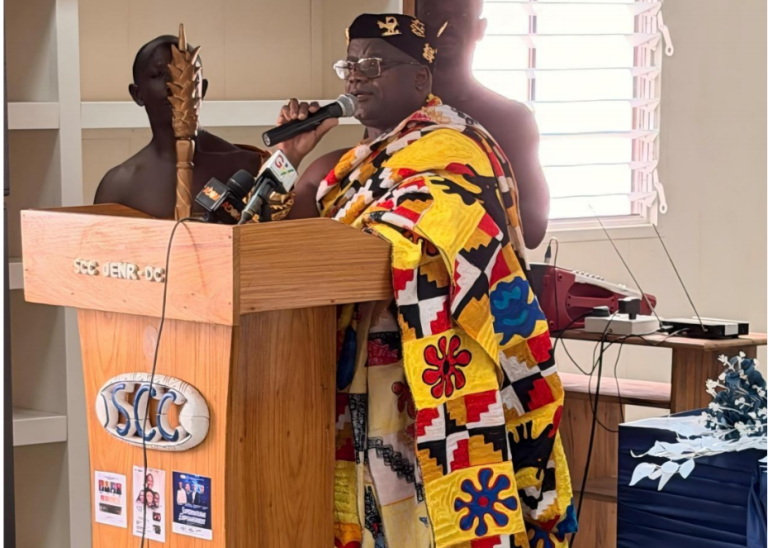
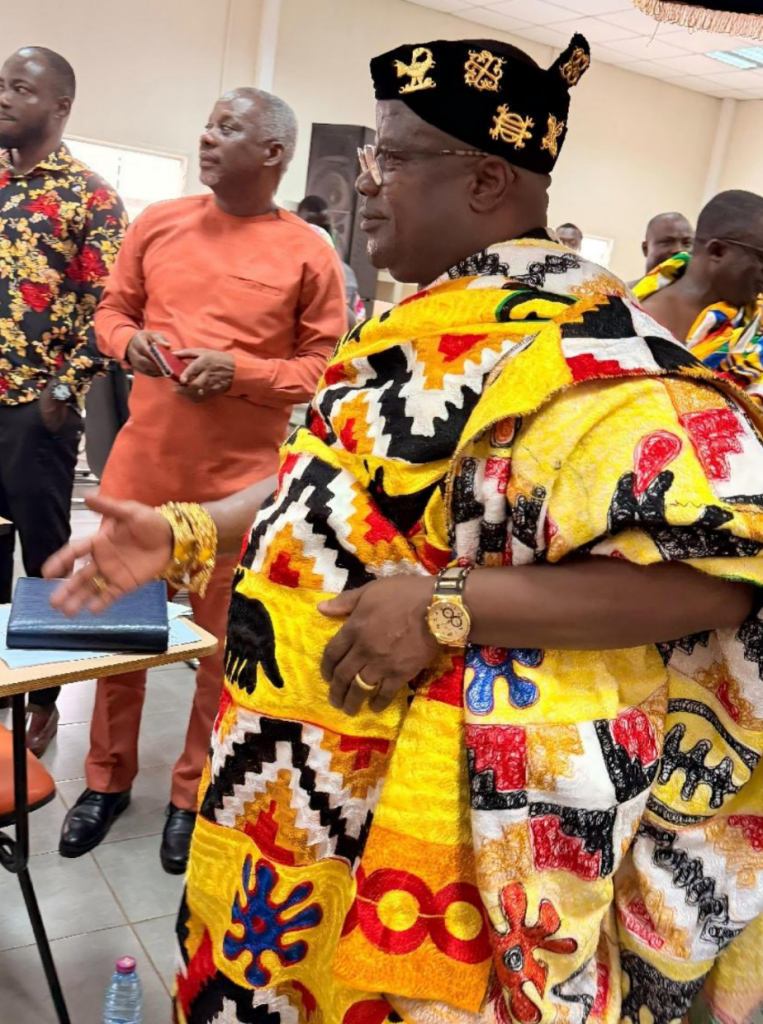
The Chief of Kofiasua and Twafohene of the Dormaa Traditional Council pledged the support of traditional authorities in implementing community-based environmental interventions.
Representative of the Dormaahene addressing participants.
Traditional authorities pledged their support for community-based environmental interventions in Dormaa.
Gallery
Scenes from the symposium
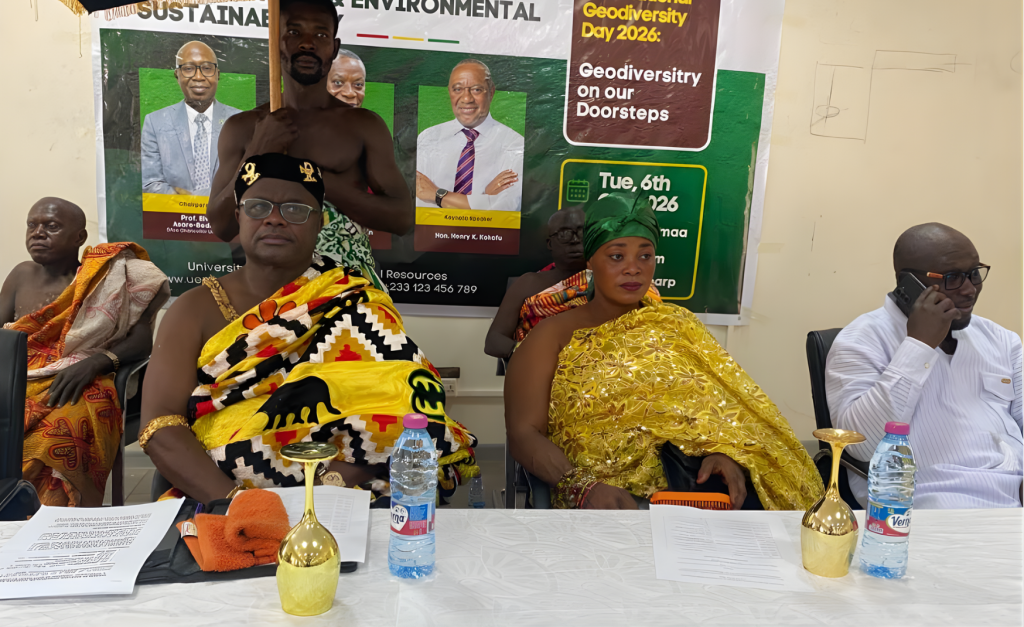
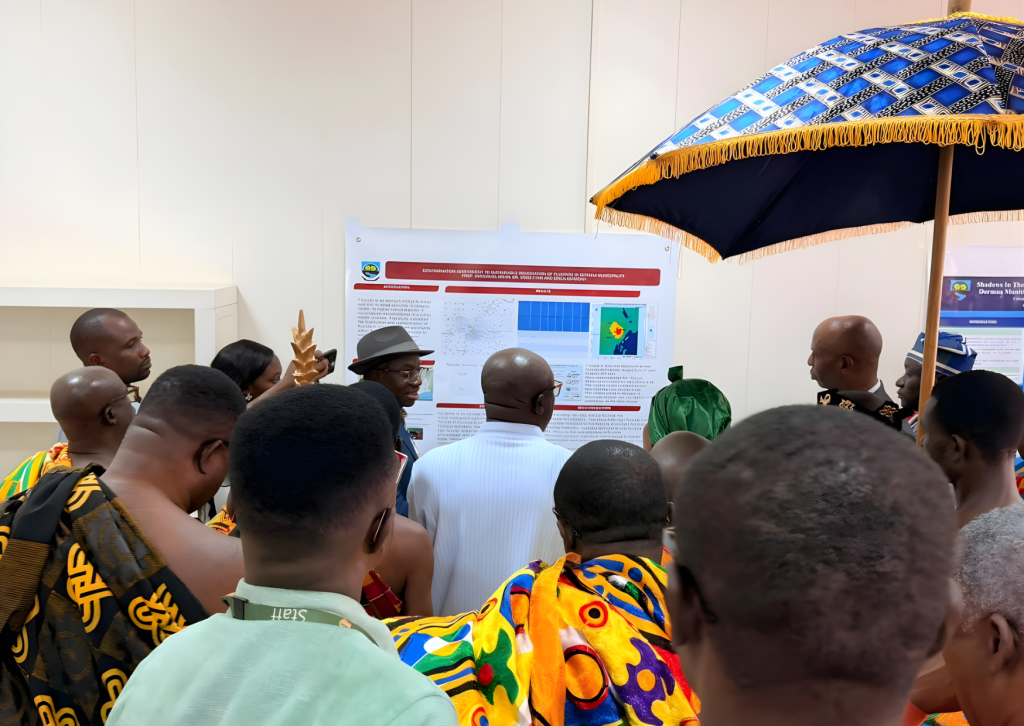
The poster session let the Municipal Chief Executive, the keynote speaker and traditional leaders engage directly with the research team and student presenters.
Why it matters
The IEHSC is proud to support the IMGA GeoHealth Working Group in this research. Studies like this connect geological science with public health and show how international partnerships can inform local governance and community prevention strategies, turning geochemical data into action for healthier communities.